.svg)
Can You Sell a House with Unpermitted Work in Ottawa?
Unpermitted work is more common than most people realize. A finished basement that was never inspected. A basement apartment added without a permit. A structural wall removed without drawings. If you're getting ready to sell your Ottawa home and you have work that was never permitted, you need to understand your legal obligations — and your options — before you list.
The Short Answer: You Can, But You Should Disclose It
In Ontario, there is no law that outright prohibits selling a property with unpermitted work. However, Ontario's real estate disclosure requirements under the Real Estate and Business Brokers Act (REBBA) and common law obligations mean you can face serious consequences if you fail to disclose material defects — and unpermitted work often qualifies.
What Counts as a "Material Defect"?
A material defect is anything that would affect a buyer's decision to purchase or the price they'd be willing to pay. Unpermitted work is frequently material because it may not comply with the Ontario Building Code, may affect structural integrity or fire safety, may invalidate home insurance, and creates potential financial liability for the buyer.
What Are the Risks of Not Disclosing?
| Risk | Who It Affects | Potential Consequence |
|---|---|---|
| Buyer discovers after closing | Seller | Lawsuit for misrepresentation, damages, or rescission of sale |
| Home inspector flags it | Seller | Deal falls through or buyer demands price reduction |
| Buyer's lender refuses mortgage | Buyer & Seller | Financing condition not met; deal collapses |
| City issues compliance order | New buyer | Forced demolition or costly remediation |
Common Types of Unpermitted Work in Ottawa Homes
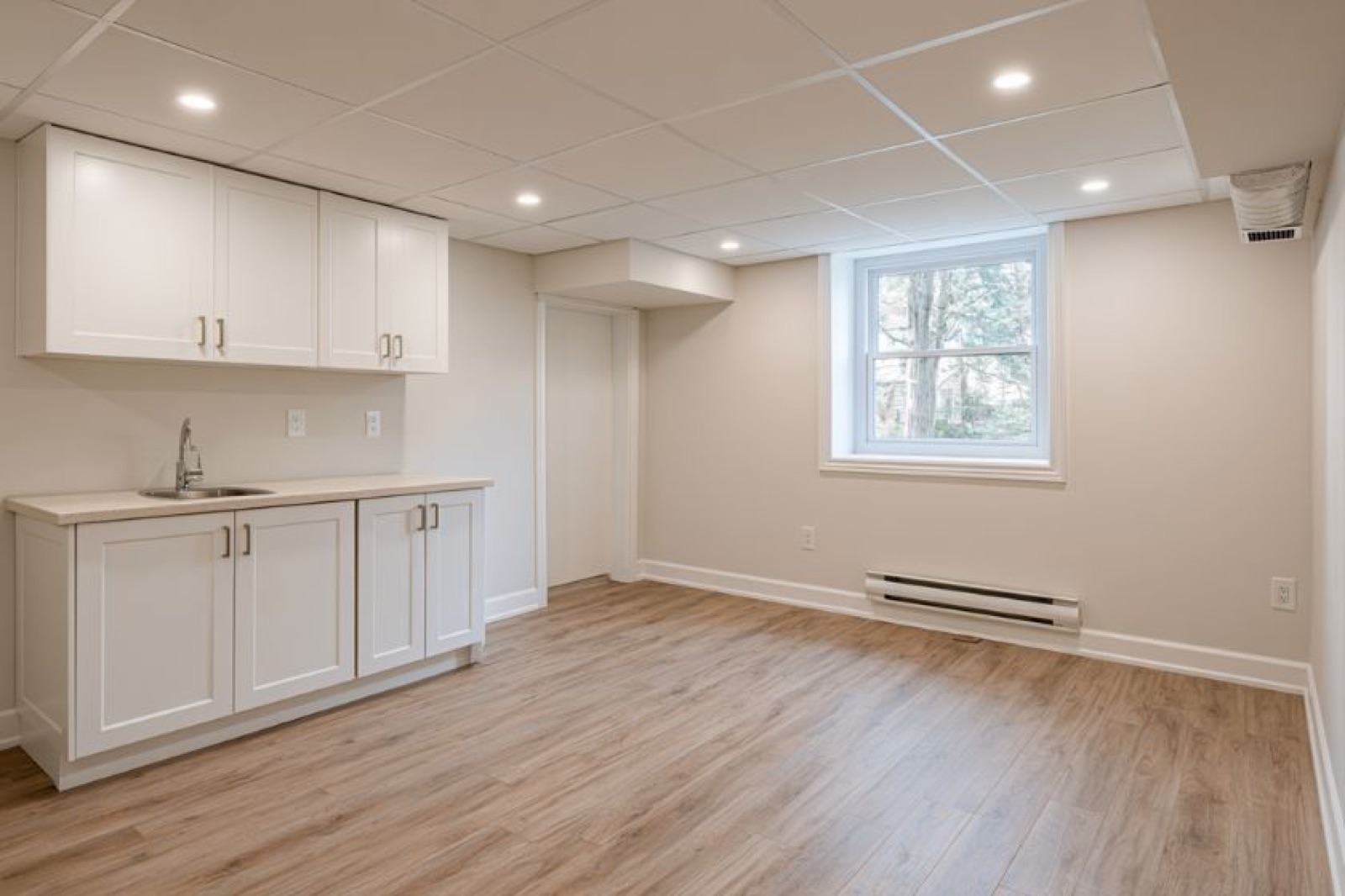
- Basement apartments — the most common. See our permit requirements for basement kitchens.
- Structural changes — wall removals, beam modifications: do I need a permit for structural changes?
- Electrical upgrades without ESA inspection: do you need a permit for electrical work?
- Bathroom additions or renovations: bathroom renovation permit requirements
- Deck additions: deck permit requirements in Ottawa
Your Options If You Have Unpermitted Work
Option 1: Disclose and Sell As-Is
Disclose the unpermitted work on the seller's property disclosure form and price the home accordingly. Buyers will often discount their offer to account for the cost of legalization.
Option 2: Legalize the Work Before Listing
Apply for a permit retroactively (an "as-built permit"), have inspectors assess the work, and make any required corrections. Once it passes inspection, the work is legal. Read our guide on how to get a building permit in Ottawa for process details.
Option 3: Retroactive Permit via the CMHC Secondary Suite Loan
If the unpermitted work is a secondary suite, the CMHC Secondary Suite Loan can fund the legalization — turning a liability into a potential asset before you sell.
What Do Ottawa Home Inspectors Look For?
- Whether a finished basement was added to the original permit
- Signs of a second kitchen (gas lines, venting patterns)
- Whether electrical panels show evidence of expansion without permits
- Egress window sizing in below-grade suites
Talk to a Contractor Before You List
Ottawa General Contractors can do a pre-sale walkthrough to identify permit gaps and give you a realistic estimate for legalization. Contact us for a consultation.
Related: Do you need a permit for a basement renovation? | How to speed up your building permit in Ottawa
.jpeg)