.svg)
Custom Home Lot Selection Ottawa: What to Look For
The Lot Is the Foundation of Everything
Your custom home can only be as good as the lot it's built on. An experienced Ottawa builder can design and construct an extraordinary home — but no amount of craftsmanship can overcome a lot with poor drainage, inadequate servicing, or zoning that doesn't support your vision.
Lot selection is one of the most consequential decisions in the entire custom home building process, and it's one that many Ottawa homeowners don't investigate deeply enough before committing to a purchase. This guide covers every factor you need to evaluate before you sign an offer.
OGC offers lot assessment services to help Ottawa custom home buyers make informed decisions before they commit. Browse large Ottawa lots here or contact OGC to arrange a lot assessment.
1. Location and Neighbourhood Fit
Before evaluating any physical lot characteristics, make sure the location fits your lifestyle and long-term goals. Ottawa's diverse communities offer very different living experiences:
- Urban infill lots (Westboro, Glebe, Hintonburg): Walkable, transit-rich, higher land cost, typically smaller lots.
- Suburban communities (Barrhaven, Kanata, Stittsville, Orleans, Nepean): Family-friendly infrastructure, newer services, more lot choice.
- Rural communities and villages (Manotick, Greely, Russell, Clarence-Rockland): Larger lot sizes, more privacy, lower land cost, but private servicing requirements.
OGC's custom home builders in Ottawa work across all communities — from Kanata and Barrhaven to Manotick and Orleans.
2. Zoning: What Are You Actually Allowed to Build?
Zoning is the most critical technical factor in lot selection. Ottawa's zoning by-law determines what types of structures are permitted, how big they can be, and where on the lot they can be placed. Key elements to verify:
- Permitted use: Confirm the zone permits a single-detached residential dwelling
- Minimum lot frontage and area: Some zones require minimum frontage widths
- Setbacks: Minimum distances from the front, rear, and side lot lines
- Maximum building height: Typically 8–11 metres for residential, but varies by zone
- Lot coverage: Typically 40–55% in urban zones
- Secondary dwellings: Under Ottawa's new Zoning By-law 2026-50, up to four units are permitted on serviced lots in N1 zones
Verify zoning using the City of Ottawa's Zoning Map. Read our guides on Ottawa's New Zoning By-Laws and How to Check Your Zoning Classification.
3. Lot Size, Shape, and Orientation
- Frontage: Wider frontage gives more design flexibility. Narrow lots (under 12 metres) significantly constrain home width.
- Depth: Deeper lots allow for larger rear yards, outbuildings, and future ADUs.
- Shape: Irregular, pie-shaped, or flag lots create unique design challenges.
- Topography: Sloped lots add excavation and foundation cost. Flat lots are generally less expensive to build on.
- Orientation: South-facing lots receive more natural light, reducing heating costs.
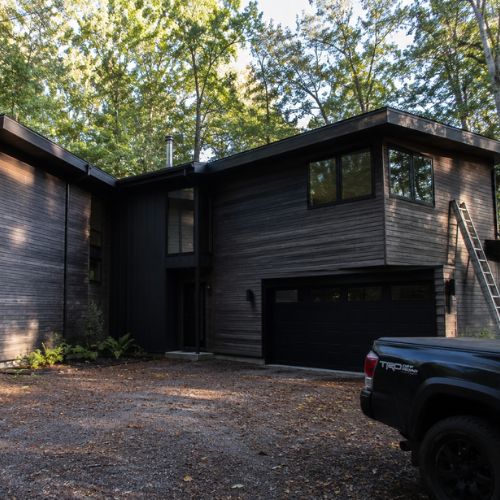
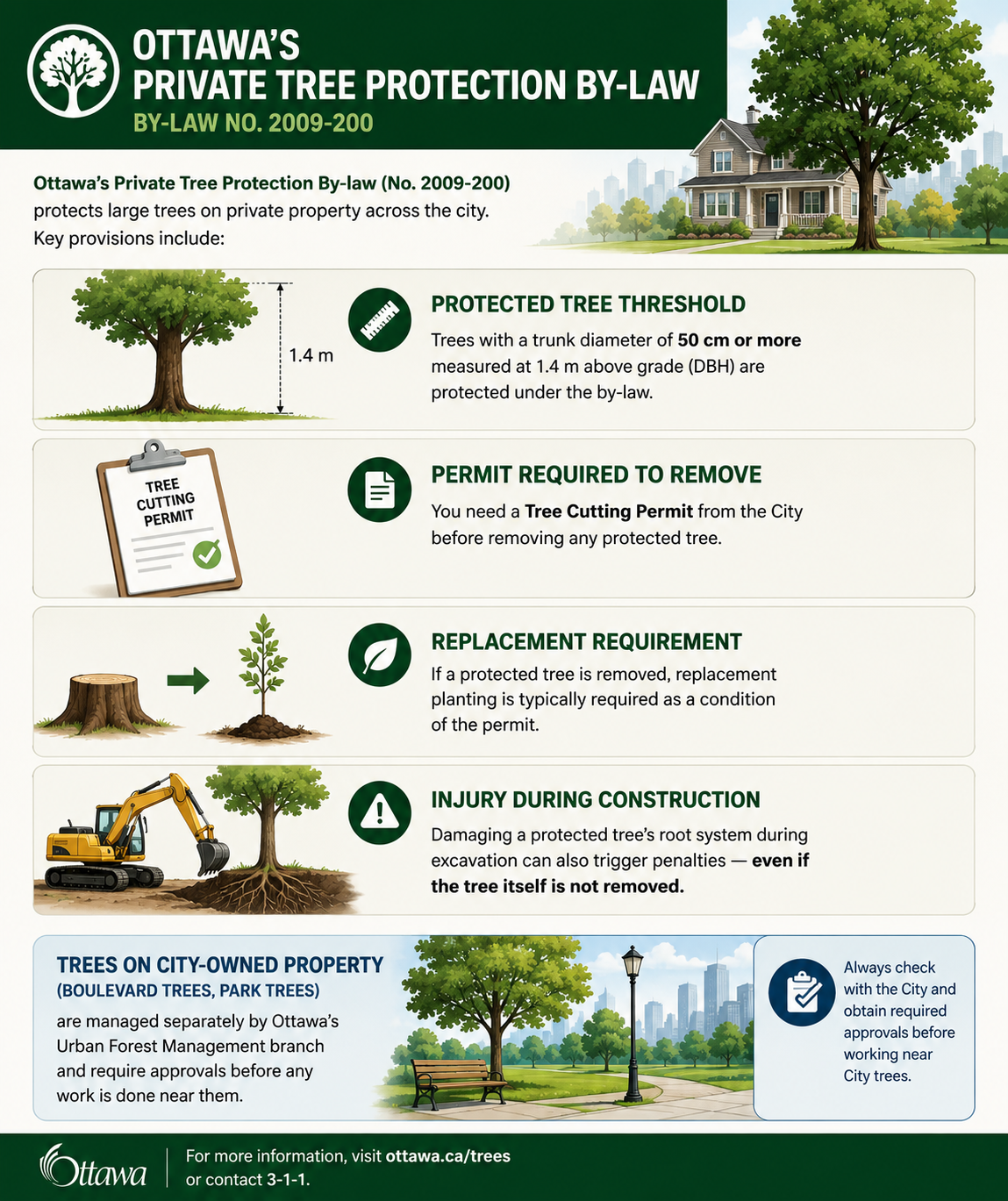
- Trees: Mature trees add value but may be subject to preservation orders.
4. Soil Conditions and Drainage
Ottawa's geology is highly variable. Poor soil can dramatically increase foundation costs. Key issues to investigate:
- Soil bearing capacity: Clay-heavy soil (common in many Ottawa areas) can require engineered foundation solutions
- High water table: Can cause drainage problems and affect septic viability on rural lots
- Contamination: For lots with any prior industrial or commercial use, a Phase 1 Environmental Site Assessment is essential
- Fill: Lots that have been filled or graded may have unstable subsurface conditions
- Drainage patterns: Observe the lot after heavy rain
OGC's feasibility assessment includes soil and drainage review. Never purchase a lot without having a builder evaluate the subsurface conditions.
5. Services and Utilities
Municipal (Urban/Suburban) Lots
- Water and sewer: Confirm connection to municipal water and sewer
- Hydro: Confirm hydro service availability
- Natural gas: Available throughout most of Ottawa's urban and suburban areas
- Internet/fibre: Confirm fibre or high-speed availability
Rural Lots (Well and Septic)
- Well drilling: Deeper wells in Ottawa's rural areas can cost $15,000–$30,000+
- Septic system: Require a percolation (perc) test to confirm the soil can support a septic system
6. Conservation Authority Land and Environmental Restrictions
A significant portion of Ottawa's land is regulated by the Mississippi Valley Conservation Authority or Rideau Valley Conservation Authority. Conservation authority restrictions can significantly limit where on the lot you can build. Always check conservation authority mapping before purchasing.
7. Easements, Rights-of-Way, and Title Restrictions
A title search is non-negotiable before purchasing any lot. Common issues include utility easements, drainage easements, restrictive covenants, and rights-of-way that can all affect your ability to build.
8. Access, Frontage, and Driveway
- Confirm the lot has legal access to a public road
- Verify minimum frontage requirements under Ottawa's zoning by-law
- Consider driveway grade and length
- Check whether a culvert is required for driveway access
9. Development Charges and Lot Levies
Buyers of undeveloped lots in Ottawa may face development charges payable to the City when a building permit is issued. Secondary suites (additional dwelling units) are currently exempt from development charges under provincial legislation — an important advantage if you plan to build a coach house or in-law suite alongside your custom home.
Your Lot Selection Checklist
- ✅ Location matches lifestyle, commute, and school requirements
- ✅ Zoning confirmed and compatible with intended build
- ✅ Setbacks, height limits, and lot coverage reviewed against home design
- ✅ Lot size, shape, and topography assessed by builder
- ✅ Soil conditions and drainage evaluated
- ✅ Municipal services (or well/septic) confirmed
- ✅ Conservation authority mapping checked
- ✅ Title search completed — no problematic easements or covenants
- ✅ Legal access to public road confirmed
- ✅ Development charges estimated and included in budget
- ✅ Offer conditions include zoning, financing, and environmental reviews
Let OGC Help You Find and Assess the Right Lot
OGC works with Ottawa custom home buyers throughout the lot selection process — from identifying available properties to conducting full feasibility assessments before you commit to a purchase.
- Browse Available Ottawa Lots
- Explore OGC's Custom Home Builders in Ottawa
- Use the Ottawa Custom Home Cost Calculator
- Request a Free Lot Assessment
Related reading: How to Find Land to Build on in Ottawa | How to Finance a Custom Home Build in Ottawa | Custom Home Building Checklist Ottawa
.avif)