.svg)
Ottawa N1 Zoning Rules - What You Can Build
If your Ottawa property falls in an N1 zone, you're in the city's lowest-density residential category — but that doesn't mean your options are limited. Under the new Zoning By-law 2026-50, which was officially passed in March 2026 and came into effect shortly after, the N1 zone now offers more flexibility than the old R1 zone it replaced. This guide walks you through what you can build, the rules that apply, and how to make the most of your N1-zoned lot.
N1 Zone Quick Reference
- Zone type: Low-density residential (replaces old R1/R2)
- Max building height: 11 metres (3 storeys) city-wide
- Typical front setback: 3 metres
- Typical side setback: 1.2 metres
- Typical rear setback: 6 metres
- Lot coverage: Typically up to 40%
- Secondary suites & ADUs: Permitted as-of-right in most N1 zones
What is the N1 Zone?
The N1 — Neighbourhood Core zone is the foundation of Ottawa's residential framework under By-law 2026-50. It replaced the old R1 and R2 residential zones that had been in place since 2008. For most single-family homeowners in established Ottawa neighbourhoods, N1 is the zone that applies to their property.
For a broader overview of how the entire N zone system works, see our guide on Ottawa's new zoning by-laws.
What Can You Build in an N1 Zone?
The N1 zone is designed for low-density residential use. The primary permitted uses are:
One of the most significant changes under By-law 2026-50 is that secondary suites and ADUs are now permitted as-of-right in most N1 zones. Previously, adding a second unit often required a rezoning application. If you're wondering about the difference between an ADU and an SDU, our article on ADUs vs SDUs in Ottawa explains it clearly.
N1 Building Height Rules
In the final draft of By-law 2026-50, maximum building heights in N1 zones were set at 11 metres (approximately 3 storeys) city-wide. This resolved a key debate in the earlier drafts, where inner-urban N1 zones had been capped at 8.5 metres while suburban areas were allowed 11 metres. The final rule applies consistently across the city, giving all N1 homeowners equal development potential.
If you're planning a custom home build in Ottawa, the 11-metre height limit comfortably accommodates a two-storey home with a pitched roof, and is achievable for a well-designed three-storey home.
Setback Requirements in N1 Zones
Setbacks are the minimum distances your structure must maintain from each property line. For most N1-zoned properties, the approximate requirements are:
These figures apply to most N1 lots, but specific subzone rules and lot characteristics can affect what applies to your property. For a complete breakdown, see our in-depth guide on Ottawa property line setbacks.
One important update: as of November 2025, property owners are permitted a 10% variation from setback requirements as-of-right under a provincial regulation, meaning a minor variance application is no longer required for small setback encroachments.
Lot Coverage in N1 Zones
Lot coverage refers to the percentage of your lot that can be covered by buildings. In most N1 zones, the combined lot coverage for all buildings (including the house, garage, garden suite, and other structures) is typically capped at around 40%. This encourages green space and manages stormwater runoff in residential areas.
Secondary Suites and ADUs in N1
Perhaps the most impactful change under By-law 2026-50 for N1 homeowners is the broad permission for secondary suites and ADUs. You can now add:
Learn more about the difference between garden suites and laneway homes in our comparison guide: Garden Suite vs. Laneway Home in Ottawa.
What N1 Doesn't Permit
The N1 zone does not permit apartment buildings, large multiplexes, or commercial uses beyond home occupations. If your project requires more density than N1 allows, you may need to apply for a rezoning or explore whether your property falls in a higher N zone. Properties near transit corridors may have different zoning than their neighbours, even on the same street.
How to Check Your N1 Zone Boundaries
Zoning boundaries under By-law 2026-50 were finalized when the by-law passed in early 2026. You can check your property's zone using the City of Ottawa's GeoOttawa mapping tool. Also see our summary of the Draft 2 zoning by-law changes for background on how the N1 zone evolved before the final version was passed.
Planning Your N1 Project?
At Ottawa General Contractors, we've helped hundreds of Ottawa homeowners understand their zoning and design projects that maximize what their lot allows. Whether you're adding a basement suite, building a garden suite, or planning a full home addition on your N1 lot, our team reviews your zoning at the start of every project. Contact us for a free consultation and let's discuss what's possible on your property.
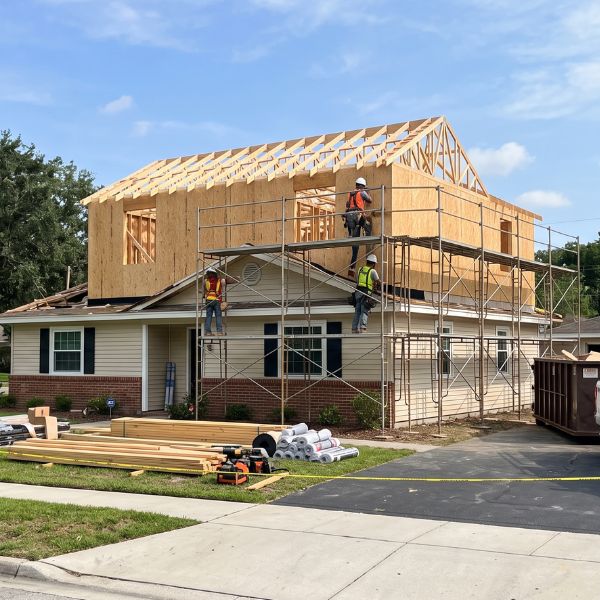
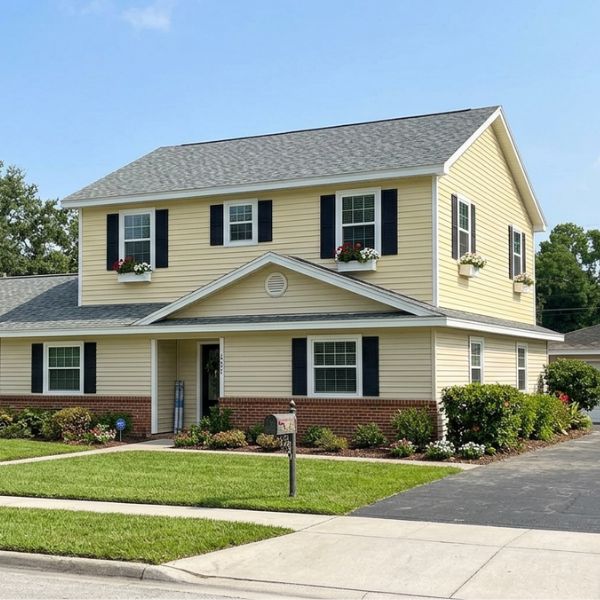
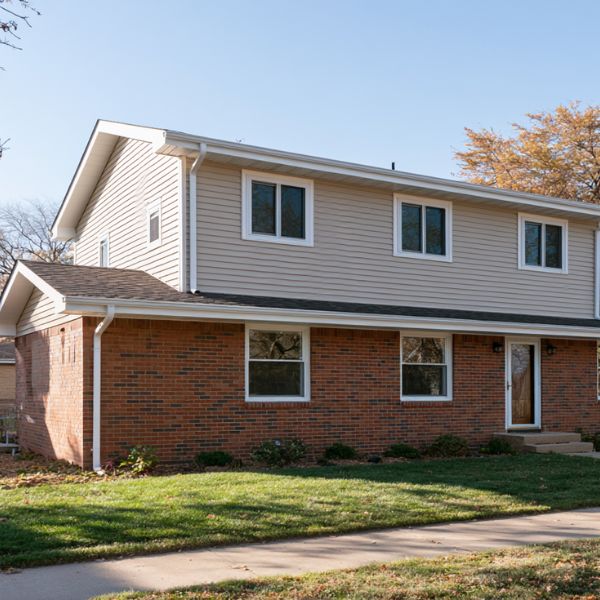
Planning a home addition in Ottawa? OGC builds custom home additions — second storeys, in-law suites, garages, sunrooms, and more. Get a free quote.
.avif)